
Here is a comprehensive news report on the latest developments in the escalating Middle East conflict.
Republic BD News
First With The Truth
“World’s Largest Gas Field on Fire”: Iran Threatens to Strike Gulf Energy Facilities After Israeli Attack; Region Braces for Economic Catastrophe
Senior International Correspondent
Published: March 19, 2026, 11:45 PM | Updated: March 20, 2026, 1:00 AM
Dubai/Tehran – The conflict between Israel and Iran took a perilous new turn today, threatening the very lifeline of the global economy. Hours after Israel bombed Iran’s massive South Pars gas field—the world’s largest—Tehran has issued a chilling ultimatum: if its energy infrastructure is targeted, it will unleash a wave of destruction on the oil and gas facilities of its Gulf Arab neighbors.
The Israeli airstrike on the South Pars complex, a massive natural gas field which Iran shares with Qatar, has been described by Doha as a “dangerous and irresponsible” escalation that endangers regional stability and the global energy supply.
The South Pars Strike: A Blow to Iran’s Economy
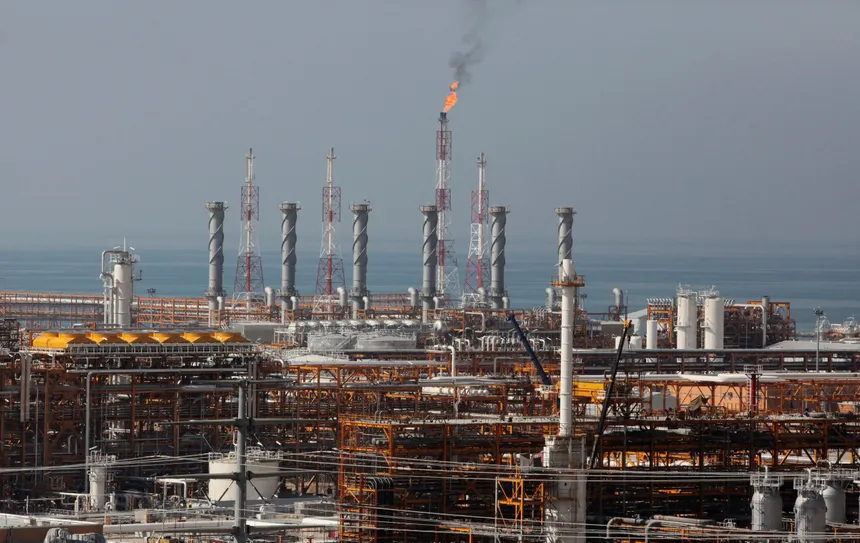
In a significant widening of its military campaign, Israel launched precision airstrikes on Tuesday night targeting the Iranian section of the South Pars/North Dome field, the largest gas field in the world.
- The Target: The field, located in the Persian Gulf, is crucial to Iran’s domestic energy consumption and its struggling economy. While Iran has faced years of sanctions, this field provides a significant portion of its natural gas.
- The Damage: Satellite imagery and reports from the region suggest multiple fires broke out at the Iranian processing facilities. While Iranian state media initially downplayed the strike, international sources confirmed significant damage to infrastructure.
- Qatar’s Reaction: Doha, which operates the Qatari side of the field (North Field), expressed outrage. In an official statement, the Qatari government condemned the attack, stating it jeopardizes a shared resource and “constitutes a threat to energy supplies that the entire world relies upon.” Fortunately, no casualties have been reported among workers.
Iran’s Threat: “If We Can’t Export, No One Will”
In a nationally televised address following the strike, a spokesman for Iran’s Supreme National Security Council issued a stark warning to the Gulf monarchies.
“Iran’s energy infrastructure is the backbone of our nation. Any further aggression against it will be met with a proportionate and decisive response,” the spokesman said. “If the Zionist regime believes it can cut off our lifeline, it should know that we will not stand idly by. The energy facilities of those who host American bases and cooperate with the aggressors—in Saudi Arabia, the UAE, Qatar, and Kuwait—are within range of our missiles.”
This threat effectively puts the entire energy export capacity of the Middle East on notice. Iran possesses a vast arsenal of ballistic missiles and drones capable of reaching critical infrastructure across the Gulf.
Gulf States Forced to Choose Sides: Missiles Intercepted
The threat from Tehran is not merely rhetorical. As Iranian missiles and drones were launched toward Israel in retaliation for the South Pars strike, the air defenses of several Gulf states were activated.
Reports confirm that air defense systems in Qatar, Kuwait, the UAE, and Saudi Arabia intercepted and shot down multiple projectiles flying through their airspace en route to Israel.
This marks a significant shift. While Gulf states have often tried to maintain a neutral stance or de-escalate tensions with Iran, their active interception of Iranian fire demonstrates a de facto alignment with Israel and the United States in defending their own airspace. It suggests that the “overflight” issue has become a red line for Gulf capitals, fearful of being caught in the crossfire.
Global Economic Shockwaves
The escalating conflict has sent shockwaves through global markets.
- Oil Prices: Brent crude surged past $105 a barrel, its highest level in months, as traders priced in the risk of a full-blown energy war.
- Gas Prices: European natural gas futures spiked on fears that Qatari exports, a key alternative to Russian gas, could be disrupted.
- The Strait of Hormuz: The threat of Iranian action against Gulf energy facilities raises the specter of Tehran attempting to close or mine the Strait of Hormuz, through which about a fifth of the world’s oil passes. The U.S. Fifth Fleet, based in Bahrain, has been put on its highest alert.
Analysis: A New, Dangerous Phase
The attack on South Pars represents a strategic shift for Israel. By hitting a revenue-generating asset shared with a major U.S. ally (Qatar), Israel is forcing both Iran and the Gulf states into a corner.
For Iran, allowing strikes on its economic assets without retaliation is unacceptable. But retaliating against Gulf states risks uniting them against Tehran. For the Gulf nations, they are now trapped between Iran’s threats and the reality of Iranian projectiles falling in their backyards.
As the world watches the price at the pump, the Middle East stands on the precipice of a conflict that could ignite the region’s oil fields and plunge the global economy into chaos.