
Republic BD News
First With The Truth
Oil Prices Surge Toward $110 as Strait of Hormuz Crisis Deepens; Trump Blasts Refusing Allies: “We’ll Go It Alone”
Senior International Correspondent
Published: March 20, 2026, 10:30 AM | Updated: 12:00 PM
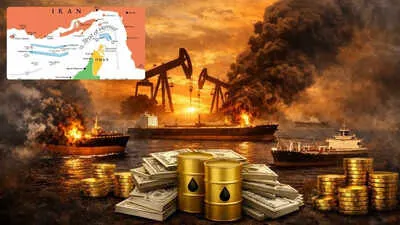
Dubai/Washington – The global economy is bracing for a seismic shock this morning as oil prices surge toward $110 per barrel following the effective closure of the Strait of Hormuz, a narrow waterway through which approximately 20% of the world’s daily oil supply passes.
The crisis, triggered by escalating US-Israel strikes on Iranian energy infrastructure and subsequent Iranian threats to target Gulf facilities, has now spiraled into a major diplomatic standoff. US President Donald Trump, in a fiery series of statements, has lashed out at NATO allies and Asian partners for refusing to send warships to help reopen the strait, warning that the future of the transatlantic alliance is “very bad” if they continue to refuse.
The Chokepoint is Closed
The Strait of Hormuz, the world’s most critical oil transit chokepoint, lies between Iran and Oman. For days, the waterway has been effectively paralyzed.
- What Happened: Following Israeli strikes on Iran’s South Pars gas field and subsequent US strikes on Iranian oil hubs, Tehran issued a naval warning that it would not guarantee the safety of vessels passing through the strait. Multiple tankers have reportedly halted loading operations, and insurance premiums for those willing to transit have skyrocketed.
- The Impact: With supply effectively choked off, benchmark Brent crude futures soared past $108 a barrel in early trading, marking a level not seen in years. Analysts warn that if the closure persists, $120 or even $150 oil could trigger a global recession.
Trump’s Ultimatum to Allies: “Very Bad Future”
As the economic pressure mounts, President Trump took to social media and the White House briefing room to demand action from reluctant allies.
“We are watching NATO, watching Japan, watching South Korea, watching China,” Trump told reporters. “They consume this oil. They need this oil. But when it comes time to actually do something to keep it flowing, they’re hiding. It’s not acceptable.”
The President specifically criticized NATO allies for what he views as inaction outside the treaty’s traditional area of operations.
“I told them, if you don’t want to help secure the waterway that fuels your economies, then the future of this alliance is very bad. You can’t just expect the United States Navy to do everything while you sit there and complain about trade deficits.”
Despite the pressure, initial responses from allied capitals have been cold:
- NATO: Officials indicated the alliance has no mandate to operate in the Gulf.
- Japan & South Korea: Both nations, heavily reliant on Gulf oil, cited constitutional and domestic legal hurdles to deploying warships in an active combat zone.
- China: Beijing called for restraint but refused to commit naval assets, focusing instead on protecting its own commercial shipping.
“We Don’t Need Help”: A Shift in Strategy
Following the wave of refusals, Trump pivoted dramatically, declaring American self-sufficiency.
“You know what? We don’t need their help. We never did,” he stated. “The United States is now the largest energy producer in the world. We have more oil than anyone. If they want to see their own economies collapse because they can’t get fuel, that’s their problem. We can handle it alone.”
This rhetoric signals a potential radical shift in US foreign policy, moving away from the post-World War II role of guarantor of global sea lanes toward a more isolationist “America First” energy security posture.
What Happens Next?
The situation on the water remains tense. The US Fifth Fleet, based in Bahrain, remains on high alert but has not yet attempted to force a convoy through the strait, an act that would almost certainly trigger a direct military clash with Iranian naval forces.
For now, the world watches as the price at the pump ticks higher by the hour, and the global order faces one of its most severe tests since the 1970s oil crisis.